what questions can you ask to uncover bias
Featured image by cottonbro, Pexels.com
Blog post updated on 31st January 2022
Unconscious bias occurs when social stereotypes about particular people or groups affect a person's judgement without them realising. All organisations and teams accept unconscious assumptions almost unlike social and identity groups, influenced by individual'due south backgrounds, social environments and personal experiences.
i) What types of unconscious bias are there?

Prototype by Sora Shimazaki, Pexels.com
- Affinity BiasThis leads united states of america to favour people who we believe we have a connectedness or a similarity to. For example, nosotros tend to be warmer towards someone we attended college with but colder towards someone we do non take a personal connection with. A person who conducts interviews may cull the candidate they had a personal connection with as their start choice, whereas they may select the candidate they had nada in common with as their second pick.
- Halo Effect The Halo Result happens when nosotros acknowledge a prominent thing about an individual and permit that "halo" cloud our judgment of everything else nearly them.An instance of this is seeing a person who went to a respected university such equally Oxford or Cambridge, or if someone has an award like OBE, MBE etc. – As humans, we can let these accomplishments shape how we see other elements of a person.
- Horns Effect The Horns Result is the literal reverse of the Halo effect, and happens when a unmarried "bad" attribute unduly determines opinions of a person. An case of this is judging someone based on their personal style or look. A person may believe they are careless and unsuitable for their visitor, fifty-fifty though suitability and work ethics are non linked to the clothes y'all article of clothing.
- Attribution Bias Attribution bias influences how we appraise individuals and their accomplishments. It can be particularly prominent throughout the recruitment procedure. When evaluating themselves, people tin can ofttimes think of their accomplishments as a direct effect of their character and disposition; while shortcomings are usually the outcome of outside circumstances. These external circumstances could be a person that negatively impacted them and restricted them from doing their all-time. When it comes to valuing future employees, employers regularly think the opposite is correct. Information technology is more likely to see accomplishments of others casual and their shortcomings equally a consequence of their character.
- Confirmation Bias Confirmation bias is searching for, understanding, focusing or remembering experiences that support preconceived notions. Hiring managers demand to be especially vigilant about this particular bias.
2) What is the difference between explicit bias and unconscious bias?
Prototype by Markus Spiske, Pexels.com
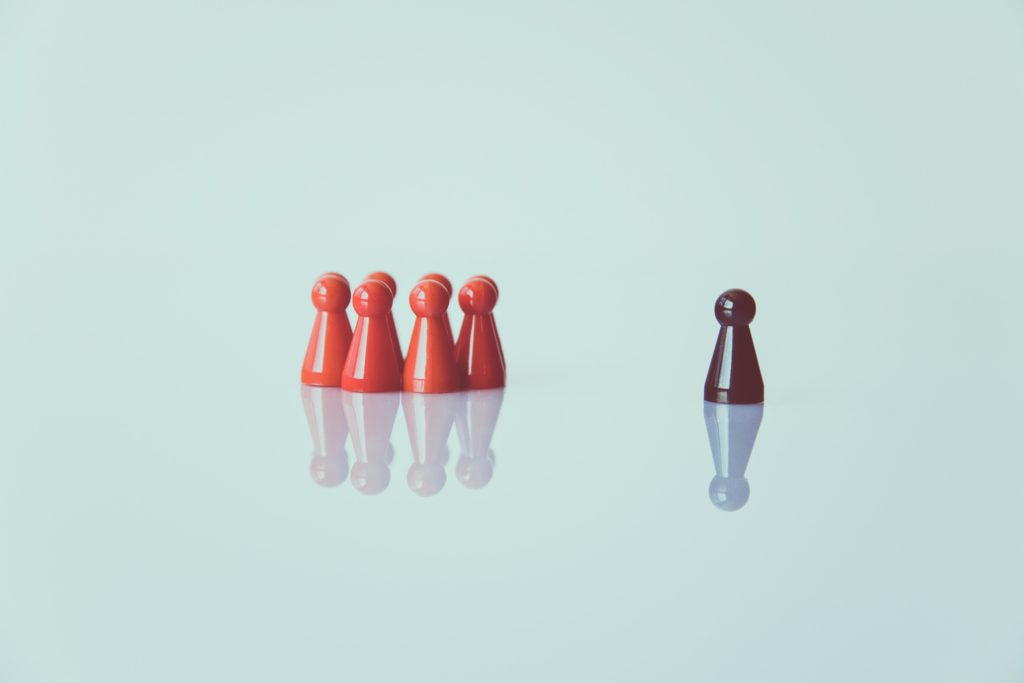
Unconscious bias (or implicit bias) is a personal preference that an private is oblivious to, and occurs exterior of their power. Unconscious biases are normally the consequence of stereotypes and messages we receive from the world effectually us. It could exist as unproblematic every bit not having a diverse workforce and therefore seeing people from other groups as "unknown".
Explicit biases are biases consciously held against certain groups of people, situations, or things.
three) Why is unconscious bias training important?
Image by Ann H, Pexels.com
Unconscious bias training can transform offices and teams. Unconscious biases that people agree can lead to discrimination, prejudice, and can negatively affect a team's functioning. These biases can besides influence recruitment, affecting the potential employee negatively and a squad if the correct person for the job is disregarded due to the unconscious biases of the recruitment team.
4) Are in that location any strategies to overcome or control unconscious bias?
Image by Pixabay, Pexels.com
- Aggrandize your connections with the groups you do non typically connect with.
- Consider how y'all grade your opinions of people. Are you existence unconsciously biased?
- Attend training courses on departure and multifariousness
- Be open-minded and question social norms
- Seek out new experiences with diverse people
- Actively listen to other people's experiences and perspectives
5) How does unconscious bias occur in the workplace?
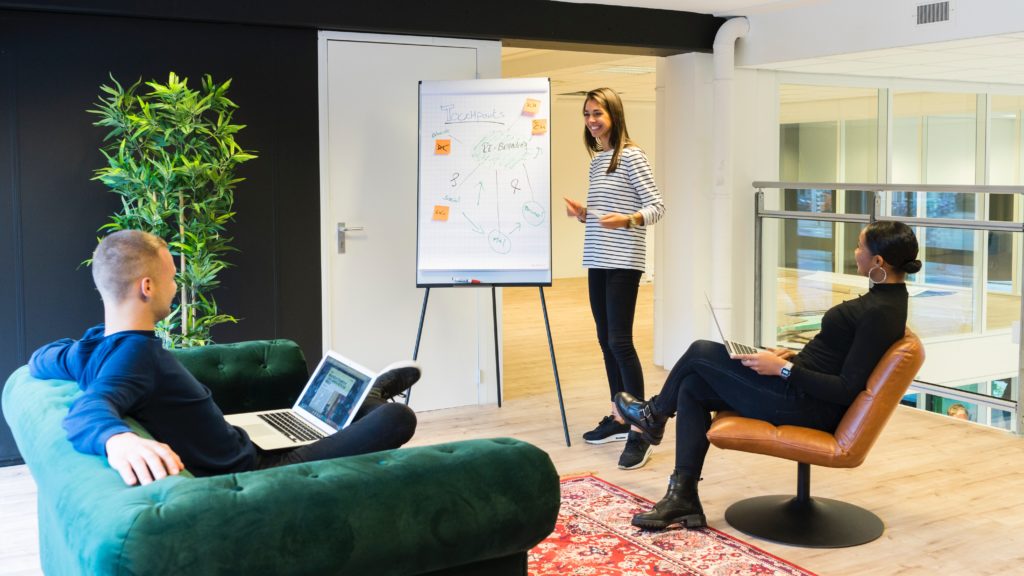
Image past Elevate Digital, Pexels.com
In the recruiting process, unconscious bias can occur when employers build an assumption about applicants based merely on their initial impressions.
They may favour an applicant over some other based on personal preferences. An example of this tin can be when employers believe one interviewee would be more enjoyable in a social setting, rather than focusing on what the interviewee can offer to the business concern.
Employers tin can also unknowingly discriminate against certain groups of people, as people tend to want to utilize people who expect and act like themselves. In time, this can lead to a non-diverse workforce.
Unconscious bias in workplaces can hinder diversity, hiring and retention initiatives, leading to a negative company civilization. Unconscious bias can influence who gets a task, career evolution, and more than. All of the in a higher place automatically weaken a visitor'southward culture.
6) How do yous avoid unconscious bias in the workplace?

Epitome by Ron Lach, Pexels.com
- Be aware of and have that we all have unconscious biases.
- Annunciate a job vacancy in at least 3 dissimilar places. This enables people from various backgrounds to utilize for the role.
- Encourage recruiting managers to agree to make each other aware if they detect any stereotyping.
- Arrange a neurodiversity workshop with Exceptional Individuals for your arrangement
- Concur dorsum some details on application forms, such every bit the candidate's date of birth and gender. This is chosen "blind sifting" and including such details could bear on the opinions of recruitment managers.
- Carry interviews over the phone where possible so that the interviewer does not make decisions based on the candidate's physical advent
- At each stage of the recruitment process, have a diverse range of people sifting job applications, interviewing applicants and deciding who gets the task.
- Keep a written record of why decisions were fabricated.
- Pay attending to bias related to protected characteristics. These characteristics include age, disability, gender, ethnicity, maternity, religion, and marital status.
- Widen your social circle, such every bit spending time with people from different cultural and educational backgrounds.
- Avoid making assumptions or relying on "gut instinct".
- Speak out if you find unconscious bias and acknowledge where you may have been wrong.
7) Can unconscious bias bear on on inclusion?

Prototype by Katie Rainbow, Pexels.com
Aye.
Biases in the professional person world tin create obstacles that restrict teams from accomplishing their joint goals efficiently. It can also impair the growth of inclusive connections that promote original and innovative thoughts.
eight) What is the aim of the preparation?

Paradigm by fauxels, Pexels.com
Unconscious bias grooming is intended to nowadays their already existing biases to teams. Trainers volition use means to change habitual thoughts, and sequentially reduce prejudicial practices. A significant element of relevant workshops is building a stronger awareness for types of biases that exist.
9) Why is unconscious bias training important?

Image by ANTONI SHKRABA, Pexels.com
Supporting diversity and inclusion efforts is of import in today'southward increasingly diverse workplace. This includes companies that specialise in hiring neurodiverse people.
Employers must provide employees with foundational anti-harassment and anti-discrimination training. Employers should also provide unconscious bias training for employees.
Constructive unconscious bias preparation helps employees understand that unconscious biases exist. The preparation besides helps them take steps to reduce the likelihood of biases impacting their decisions and interactions with others in the workplace.
Firstly, training should non "preach" to employees. Unconscious bias grooming should foster conversations and permit employees to confront their own biases. Preparation should not exist about blaming and shaming employees.
Secondly, training should not imply that people are intentionally racist, sexist, or discriminatory against other protected characteristics. These biases, by their nature, are unconscious and unintentional.
Thirdly, training should explain that everyone tin either be a victim or a perpetrator of unconscious bias.
Training should also teach employees tangible steps they tin can take to make the workplace more inclusive. They include fugitive labels and overgeneralisations; and questioning automatic assumptions.
Training employees on these practices is the starting time pace in helping them recognise and combat their unconscious biases.
10) How is unconscious bias preparation typically delivered?

Image by fauxels, Pexels.com
- Inclusive actions that build improve teams; systems and processes that ensure hiring of the best talent; and thinking differently and driving innovation.
- Making trainings voluntary
- Focusing on deportment. These include getting to know people from unfamiliar groups and social circles; changing repeated messages in our environment by interacting with those who provide a counterpoint to it.
- Taking action in informal situations
- Learning to question assumptions
Follow ups can include:
- Holding 1:1 sessions with participants to see how things are progressing
- Posting suggestions or notices in communal areas such as, "Who are you inviting to dejeuner today?" in a breakout room
- Having staggered training sessions
- Having open access to indicate-of-need trainings
Exceptional Individuals offer neurodiversity workshops and preparation</a to tackle unconscious bias in the workplace.
Do you have whatever more than questions on unconscious bias in the workplace? Give us a call on 0208 133 6046 or fill up out our contact form.
Source: https://exceptionalindividuals.com/about-us/blog/unconscious-bias-frequently-asked-questions/

Post a Comment for "what questions can you ask to uncover bias"